

Introduction
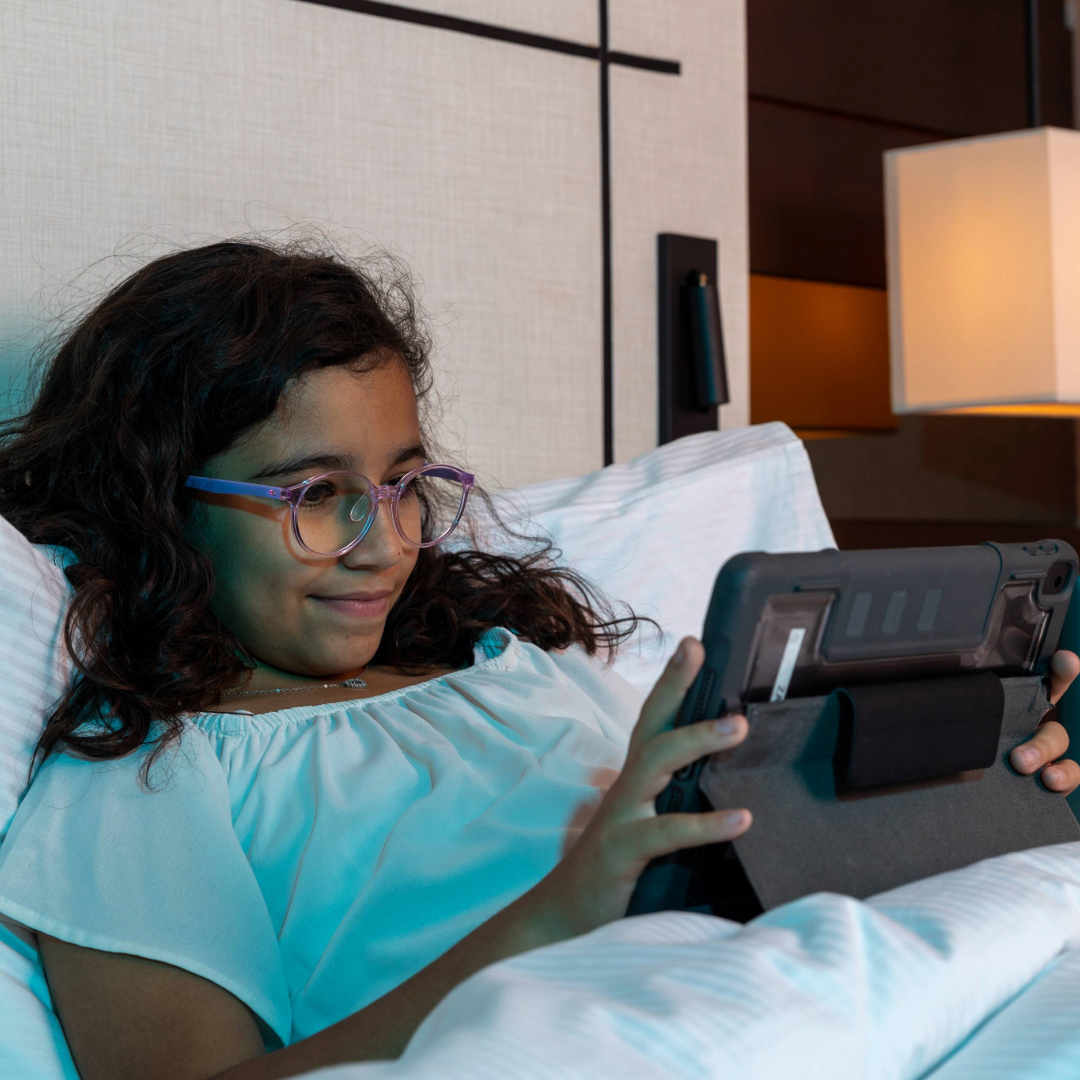
In our modern world, screens are everywhere — and many of us use them right up until the last minute before falling asleep. But the blue-light rays those devices emit does more than make your eyes tired: it can trick your brain into thinking it's daytime, suppressing melatonin, the hormone that tells your body it's time to sleep.
Blue‑light blocking glasses have become a popular solution, promising better sleep by filtering out the most disruptive wavelengths that effect your sleep. But does the science actually back this up? In this guide, we’ll examine the research, explain how blue‑light lenses work, weigh the pros and limitations, and discuss if HIMAYA's Blue‑Light Glasses are a smart pick for sleep protection.
1. Why Blue Light Matters for Sleep
Our circadian rhythm — the internal clock that regulates sleep and wakefulness — relies heavily on light cues. Specialized cells in the retina respond to blue light and send signals to the brain, which then suppresses melatonin production. (AOA)
-
In the evening, exposure to artificial blue light (from screens, LEDs, etc.) can delay or reduce the melatonin surge, making it harder to fall asleep. (Harvard Health)
-
By blocking or filtering the right wavelengths, blue‑light glasses aim to restore the brain’s natural “sleep time” signals.
2. What the Research Actually Shows
The evidence is nuanced — there’s promise, but also important caveats:
-
A randomized controlled trial involving healthy adults found that wearing blue‑blocking glasses from 6 PM until bedtime reduced subjective sleep onset (how long people felt it took to fall asleep) and decreased nighttime awakenings.
-
A systematic review covering 29 experimental studies concluded that evening use of blue‑blocking glasses can help shift melatonin onset and potentially improve sleep for people with insomnia or irregular schedules. PubMed
-
In a small trial on people with insomnia, amber-tinted glasses worn for two hours before bed for a week resulted in improved sleep quality, as measured by sleep questionnaires and actigraphy. PubMed
-
Another study looked at pregnant women and found that wearing blue-blocking glasses significantly advanced melatonin onset and increased evening melatonin levels. PubMed
-
A laboratory study with “good sleepers” exposed to bright light found that blue-filtering eyewear kept melatonin levels significantly higher, though sleep diary and actigraphy measures changed less dramatically. OUP Academic
Key insight: Blue‑light glasses can help with the hormonal signals for sleep, especially in evening screen users.
3. Potential Benefits of Using Blue‑Light Glasses at Night
Here are some of the real-world ways blue‑light glasses may benefit your sleep:
-
Earlier Melatonin Onset: By reducing the light that suppresses melatonin, they may help your body prepare for sleep earlier.
-
Fewer Nighttime Awakenings: Some users report waking up less when they use them consistently before bed.
-
Improved Sleep Quality (Subjectively): Studies show people feel like they fall asleep faster or more soundly.
-
Support for Shift Workers or Late-Nighters: Especially helpful for those whose schedules disrupt normal circadian rhythms, or who simply can’t avoid screen use before bed. Medscape
4. Limitations and What to Consider
But it's not all roses — there are valid limitations and mixed results:
-
Mixed Objective Data: While subjective sleep measures improve, objective measures of total sleep time or sleep architecture don’t always show strong changes. PubMed
-
Not All Lenses Are Equal: The effectiveness depends on which blue wavelengths the lenses filter. Not all “blue-light glasses” are made the same. Harvard Health+1
-
Complex Real-World Behavior: Timing matters. When you wear the glasses, how bright your room is, and other habits (like using night filters) can all influence results.
-
Evidence Is Still Growing: Systematic reviews point out the need for more long-term, large-scale trials to truly understand the benefits. PubMed
5. How HIMAYA's Glasses Fit This Picture
Given the mixed but promising evidence, HIMAYA's Blue‑Light Glasses are designed with both protection and practicality in mind:
-
Selective Filtering: HIMAYA lenses target the most disruptive blue-violet light (400–455 nm) without blocking all the beneficial blue-turquoise light that helps with mood and alertness.
-
Evening Wear Compatibility: Because of their careful spectral design, they are well-suited to help protect your melatonin rhythm when worn in the hours before sleep.
-
Comfort + Style: Lightweight, non-bulky frames encourage repeated use, which is important if you plan to wear them nightly.
-
Prescription & Photochromic Options: Whether you need vision correction or want lenses that adapt to lighting, HIMAYA offers choice — helping reduce barrier to consistent use.
Bottom line: HIMAYA’s approach aligns with the science. While blue‑light glasses aren’t a cure-all, using a well-designed pair consistently in the evening can support better sleep hygiene and hormonal rhythm.
6. Practical Tips for Using Blue‑Light Glasses for Sleep
-
Start wearing them 1–2 hours before your planned bedtime. This timing is recommended in many studies.
-
Use them in combination with good habits: dim lights, avoid bright overhead LEDs, and limit screen brightness.
-
Pair with night-mode apps: Tools like Apple’s Night Shift or f.lux can reduce blue light from your screen on top of the glasses.
-
Evaluate your sleep: Track how you feel — do you fall asleep faster? Wake up less? Adjust or pause use if you don’t see benefits.
Conclusion
Blue‑light blocking glasses can help improve sleep, especially when used in the evening as part of a broader bedtime routine. The science suggests they support melatonin production and reduce sleep disruptions.
For those looking for a balanced, evidence-based option, HIMAYA's Blue‑Light Glasses offer selective filtering, comfort, and a design that respects both your eyes and your sleep cycle.
Take smarter steps for your nightly routine — explore HIMAYA’s Blue‑Light Glasses at HIMAYAEYEWEAR.COM, available in prescription and photochromic versions.


